

Your eyes face many challenges, from the bright glow of your computer screen to dust particles flying around during weekend yardwork. These daily exposures can contribute to eye strain and increase your eyes’ risk of injury. Our team with Total Vision Riverside knows how important your vision health is, which is why we consider every aspect of your lifestyle to make tailored recommendations for your comfort and safety.
You can protect your vision by making simple changes to your workspace, using the right safety equipment, and recognizing warning signs that may need professional attention.
Common Eye Hazards at Work and Home
Digital Screen Strain
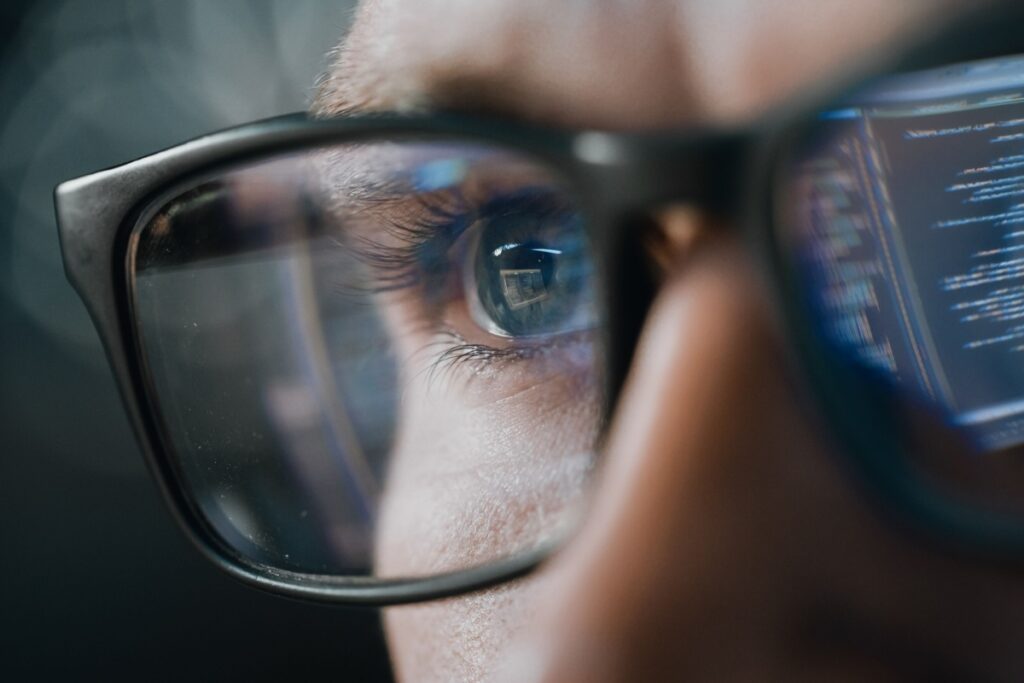
Almost all electronic devices, including your computer, tablet, and phone, emit blue light that can affect your sleep patterns and contribute to eye fatigue. On top of that, when you stare at screens for hours, you tend to blink less often, which can leave your eyes dry and irritated.
Extended focus on close-up work can mean that your eye muscles work harder throughout the day. You might notice your eyes feel tired or sore after long video calls, you get frequent headaches after computer work, or you have a dry, burning sensation that persists all day.
Physical Eye Injuries
Flying debris from power tools, lawn mowers, and more can strike your eyes without warning. These particles move fast enough to create scratches on your cornea (the clear outer layer of your eye) or more serious injuries that can affect your vision.
Chemical splashes from household cleaners, paint, or workplace solutions can burn the delicate tissues in your eyes. Even brief contact with these substances can create discomfort, redness, and potential damage that requires immediate attention. If you experience a chemical eye injury, you should seek proper emergency treatment immediately to prevent damage.
Simple Daily Habits for Eye Health
The 20-20-20 Rule for Screen Time
Every 20 minutes, look at something 20 feet away for at least 20 seconds. This simple practice can help relax the focusing muscles in your eyes and give them a chance to reset, helping to reduce headaches or just make your eyes feel more comfortable by the end of the day. Try setting a timer on your phone or computer to remind you when it’s time for your eye break.
Proper Lighting and Workspace Setup
Position your computer screen so the top of the monitor sits at or slightly below your eye level. This angle can reduce strain on your neck and help your eyes maintain a more comfortable focus position throughout the day.
Adjust your screen brightness to match the lighting in your room. It shouldn’t be the brightest or darkest thing in your field of view. Anti-reflective screen protectors can help reduce glare from windows or overhead lights, which can create uncomfortable bright spots on your display. For persistent symptoms, our team provides professional digital eye strain treatments to help improve your comfort.
Safety Equipment and Protective Gear
When You Need Safety Glasses
Anytime you work with power tools, grinders, or saws, safety glasses can protect your eyes from metal shavings and wood chips that usually fly at high speeds. Even hand tools like hammers and chisels can send small particles toward your face.
Yard work activities like mowing, trimming hedges, or blowing leaves create clouds of debris that can scratch your eyes or get stuck under your eyelids. You can reduce your risk of a workplace eye injury by up to 90% when you wear appropriate protective eyewear.
UV Protection for Outdoor Activities
UV exposure can contribute to serious long-term damage to your eyes, making proper protection important. Wraparound sunglasses with UV coating help to block harmful rays that can increase your risk of cataracts over time. Look for glasses that provide 100% UV protection and fit snugly around your face to prevent light from entering at the sides.
Wide-brimmed hats add extra protection by shading your entire eye area from overhead sun. This combination works particularly well during activities like gardening, fishing, or watching outdoor sports events where you’ll be in direct sunlight for extended periods.
Warning Signs That Need Attention
Sudden Vision Changes
Some symptoms require immediate attention to protect your vision. Don’t wait to see if they improve on their own, as early treatment often leads to better outcomes. Emergency eye care is available when you experience sudden changes in your vision, such as:
- Blurry vision that doesn’t clear with blinking or rubbing
- New floaters or flashes of light in your peripheral (side) vision
- Dark shadows or curtains that block part of your visual field
Building Long-Term Eye Health
Regular Eye Exams
Annual eye exams can help catch problems before you notice symptoms, giving you the chance to address issues while they’re still manageable. The eye doctor can detect early signs of glaucoma, age-related macular degeneration (AMD), and other conditions that tend to develop gradually.
Even if your vision seems fine, updated glasses or contact lenses can make computer work more comfortable and help you see clearly. Comprehensive eye exams are important for maintaining good vision throughout your life.
Lifestyle Changes That Support Vision
Foods rich in vitamins A and C, like carrots, spinach, and citrus fruits, provide nutrients your whole body needs, including your eyes.
Staying hydrated can help keep your eyes moist and comfortable, while getting enough sleep gives your entire body, eyes included, time to rest and recover after a busy day.
Get Eye Care Advice from a Trusted Professional
Protecting your vision is a joint effort between you and your trusted eye care team. If you’re ready to find more comfortable vision, a comprehensive eye exam that considers your unique work environment and daily activities can help. Schedule an appointment with our team today.