

You wake up and look across the room on a sunny morning. The objects on your dresser look like they sit behind a thick layer of smoke. Rubbing your eyes doesn’t remove the milky film, which is when our team at Total Vision Riverside can step in to help.
Your vision gets hazy when something blocks light from passing clearly through your eye to the retina. This cloudy effect can happen for several different reasons.
Key Takeaways
- Foggy sight looks like a milky window, while blurry sight has soft edges.
- Age changes and high blood sugar can alter your clear sight over time.
- An eye doctor in Riverside can evaluate your sudden cloudy vision quickly.
- Routine exams help catch small changes before they grow into larger problems.
The Difference Between Hazy and Blurry Eyesight
A thick fog over your vision can make everyday tasks frustrating as the world feels like it’s trapped behind a dirty piece of glass.
How Hazy Sight Looks
- Cloudy view: Your sight feels like a milky window.
- Faded colors: Your bright colors appear dull or muted.
- Constant fog: Squinting doesn’t clear up your cloudy view.
How Blurry Sight Looks
- Soft edges: Shapes appear completely out of focus.
- Lost details: It’s hard for you to see fine details.
- Temporary fix: Squinting helps clear your focus temporarily.
Common Sources of Foggy Vision
Many factors affect how light travels through your eye. Your daily habits and natural changes can play a large role in your visual health. Identifying the source helps our team find the right approach for your eyes.
Age-Related Eye Changes
Over time, age-related changes can cause the naturally clear lens to become cloudy, progressively obstructing light and blurring vision.
This natural shift obstructs the path of light to the retina, often making it difficult to distinguish fine details. You might find yourself needing brighter light to read a menu or noticing that streetlights appear hazy during your evening commute.
High Blood Sugar Effects
Elevated blood sugar levels can gradually weaken the walls of the delicate vessels that nourish your eyes. When these tiny channels lose their integrity, they may leak fluid into the macula, the part of the retina responsible for sharp, straight-ahead vision. As this fluid collects, it causes the macula to swell, which can make your central vision feel increasingly hazy or distorted.
Daily Wear and Tear
A physical impact or sudden trauma can cause the cornea, the clear, protective dome at the front of the eye, to swell or become scarred. Similarly, wearing damaged or poorly fitted contact lenses can cause microscopic abrasions on this sensitive surface. In both cases, the eye’s natural inflammatory response leads to fluid retention and clouding, which disrupts the passage of light and results in hazy or distorted vision.
Why Is Your Vision Hazy All of a Sudden?
A sudden shift in your sight is often your body’s way of signaling that something requires immediate attention. Unlike the gradual changes that come with age, rapid shifts over a few hours or days can point to active inflammation or infection.
Common Signs of Urgent Eye Conditions
When the internal environment of the eye is disrupted, the symptoms are usually distinct and hard to ignore:
- Sudden infections: Bacteria and viruses can move quickly across the eye’s surface. This often triggers a rapid “fogging” effect as the eye produces a natural inflammatory response to the germs.
- New floaters or flashes: While occasional specks are common, the sudden appearance of new “webs,” dark spots, or flashes of light can indicate changes in the back of the eye that require a prompt assessment.
- Acute inflammation: Heavy swelling within the eye’s tissues can physically alter the way light is focused. This often results in vision that feels hazy, smoky, or significantly out of focus.
When to Seek Prompt Care
When a thick fog or a curtain begins to move across your visual field, timing is essential. These changes are often more than just a minor irritation; they are signals that the delicate structures of your eye need support.
A comprehensive evaluation allows for a clear understanding of what is happening beneath the surface. By identifying the exact cause, whether it is an infection or internal pressure, the appropriate steps can be taken to resolve the issue. Seeking care at the first sign of a rapid change helps support a healthy recovery and maintains the clarity of your vision for the future.
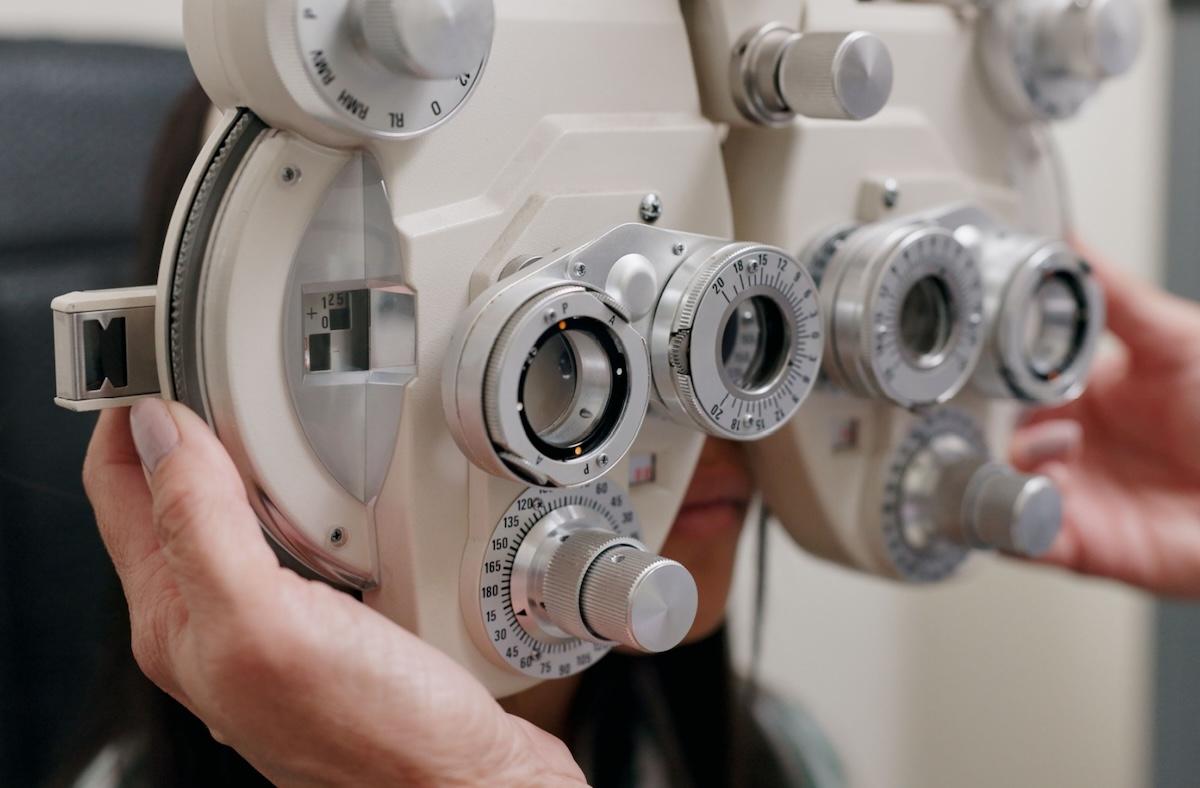
Signs to Watch Out For
A shift in visual clarity rarely happens in isolation. Often, it is accompanied by secondary clues that help pinpoint the underlying cause. Observing these additional symptoms provides a clearer picture of your eye health and helps determine the most effective path forward.
Visual Disturbances
When the internal structures of the eye change, the way light is processed can become distorted. You may notice:
- Night halos: Bright lights, such as streetlamps or oncoming headlights, may appear to have glowing rings or “halos” around them.
- Intense glare: Glare from the sun or reflective surfaces can become overwhelming, making it difficult to see the road clearly while driving.
- Double vision: You might see 2 overlapping versions of the same object, a sensation that can occur in one eye or both.
Physical Sensations
Your eyes are incredibly sensitive, and physical discomfort is a primary way they signal a need for care. Watch for:
- A gritty sensation: This often feels as though sand or a small particle is caught beneath your eyelid, causing irritation every time you blink.
- Visible redness: A deep red or pink hue may spread across the white part of the eye, often signaling inflammation or surface dryness.
- Persistent discomfort: Any irritation or soreness that lasts more than a few days should be evaluated to identify the source.
Restoring Your Visual Clarity
In many cases, hazy or cloudy vision can be successfully managed when addressed early. By identifying changes in their initial stages, you open the door to a wider range of options for relief. Your eye care team can provide a tailored approach based on your specific lifestyle and daily activities.
The Value of Routine Evaluation
Significant shifts in the eye often begin long before they become noticeable in your daily life. Regular examinations allow for a consistent record of your eye health over time.
- Early detection: Monitoring the eye annually allows for the identification of subtle changes, such as minor fluid leaks or surface irregularities, before they impact your sight.
- Refining your vision: Routine updates to your prescriptions help maintain clarity and reduce the strain on your eyes during tasks like reading or using a computer.
- Consistent monitoring: A long-term view of your eye health allows your team to track trends and respond quickly if a new issue arises.
Targeted Treatments and Procedures
Modern eye care offers several ways to address the source of fogginess and restore a clear field of view. Depending on the cause of the haze, different methods may be used:
- Medicated eye drops: For issues involving inflammation or minor surface scratches, specialized drops can be used to soothe the eye and reduce swelling.
- Lens replacement: When a natural lens becomes permanently cloudy, as is the case with cataracts, it can be replaced with a clear artificial lens. This is a common and effective way to restore vibrant, sharp vision.
- Surface repair: If the “fog” is caused by irritation or damage to the cornea, targeted treatments can help heal the tissue and smooth out the eye’s protective surface.
By addressing these changes promptly, you can return to the activities you enjoy, whether that is reading a favorite book or driving with confidence at night.
See Clearly
At Total Vision Riverside, our team offers comprehensive eye exams to help keep your vision sharp. Schedule an appointment today to clear up your foggy sight.