Key Takeaways
- A quick vision test checks how well you see distant objects.
- A full eye exam evaluates both clear sight and internal eye health.
- An eye doctor uses diagnostic tools to spot issues early.
- Regular eye exams help support clear vision for your whole family.
Regular Exams Keep Your Eyes Healthy
You might remember covering one eye with a plastic spoon to read letters off a chart in the nurse’s office at school. You step up to the line, read the smallest letters you can see, and receive a quick pass or fail.
A vision screening only measures your ability to see objects at a distance. In comparison, a comprehensive eye exam evaluates the health of your eyes and how well they work together. These appointments allow our team at Total Vision Riverside to help you protect your eye health for years to come.
The Basics of a Routine Vision Test
Quick Tests at School or Work
Many communities offer quick vision checks to catch basic issues in large groups of people. Volunteers or school nurses usually perform these tests in standard spaces like gymnasiums or office break rooms.
A vision test only assesses whether you have trouble with distance vision.
What a Quick Check Misses
A basic vision check doesn’t measure your near vision, nor does it look at the health of your eyes or how well your eyes work together. You could pass a vision check but still have underlying health conditions that require attention from a professional.
What Happens During a Comprehensive Eye Exam
In-Depth Tests with Your Eye Doctor
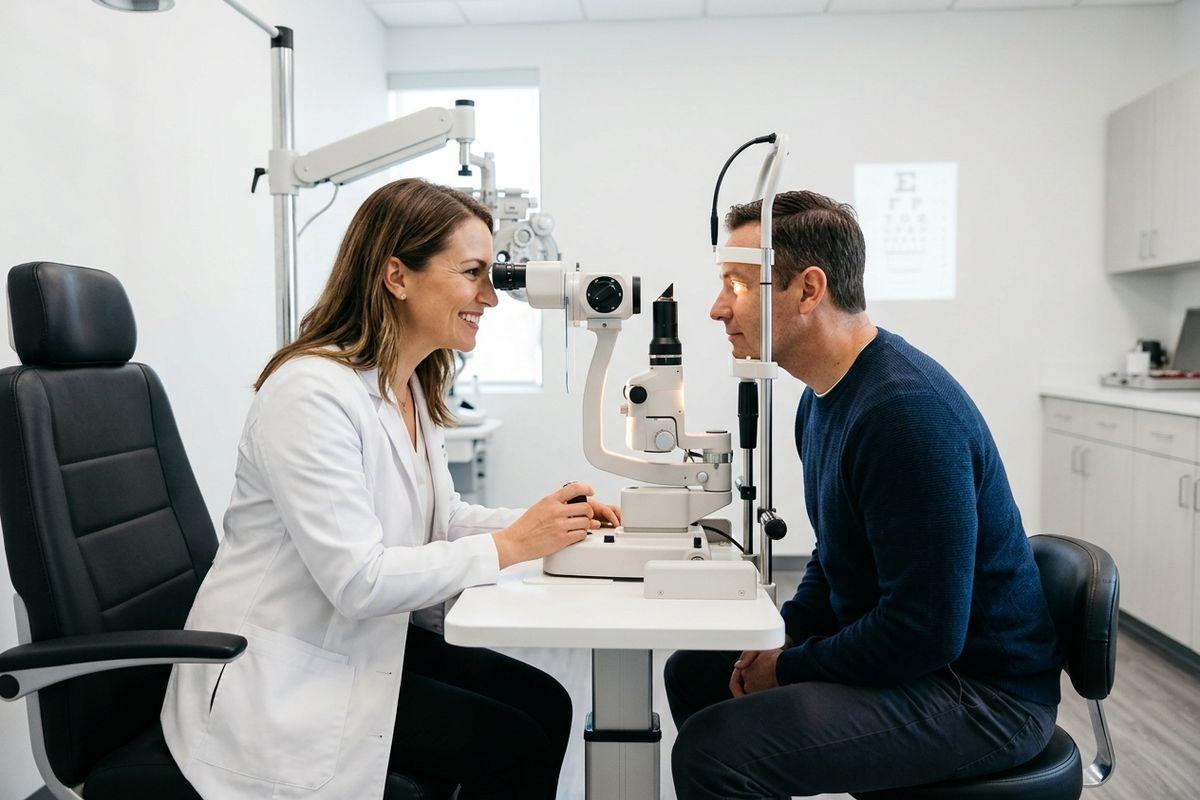
A visit to an eye clinic involves much more than just reading letters on a wall. Your eye doctor will evaluate both your physical eye health as well as your ability to see clearly at all distances, and they’ll use diagnostic technology to look inside the structures of your eye. They’ll also evaluate your 3D vision, your eye tracking abilities, and your ability to see color.
These tests allow us to identify signs of potential health issues like glaucoma and macular degeneration. Many eye conditions develop silently, which means that you might not notice symptoms until you already have permanent vision loss.
Signs You Need to Visit an Eye Doctor
While regular eye exams are important, the following are all signs that you may need to schedule an additional appointment:
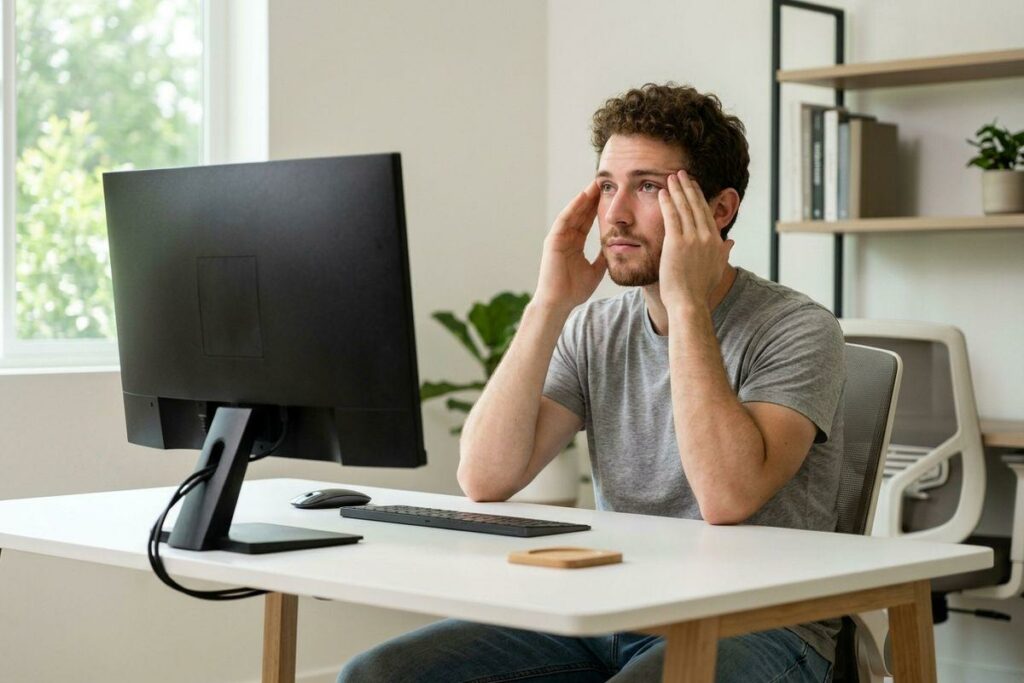
- Frequent headaches after reading or computer work.
- You squint to see objects far away or close up.
- You often lose your place while reading a book.
How Often to Schedule an Eye Exam
Different members of your family should visit their eye doctor at different intervals. Here’s what you need to know:
- Kids need a yearly eye exam.
- Adults under 65 should have eye exams every 1–2 years.
- Seniors benefit from yearly checkups.
Regular appointments help support good vision at every stage of life. Contact our team at Total Vision Riverside to schedule your next appointment and get the personalized care you deserve.