
Key Takeaways
- Your child develops visual skills like tracking, depth perception, and visual coordination throughout their first two years.
- Simple playtime activities help support visual development.
- Watch for signs of physical discomfort or eye misalignment.
- An eye doctor in Riverside can monitor development and help address visual concerns early.
You watch your newborn open their eyes and wonder what they actually see. A baby learns to use their eyes over time just like they learn to crawl and walk. They figure out how to focus their sight and move both eyes together through daily practice.
Parents should know that visual milestones progress from recognizing faces in the first few months to tracking objects, developing depth perception, and coordinating vision throughout the first two years. Keeping track of these changes alongside the team at Total Vision Riverside helps you support their visual health. You can spot potential visual issues early when you know what to look for at each age.
Early Sight From Birth to 4 Months
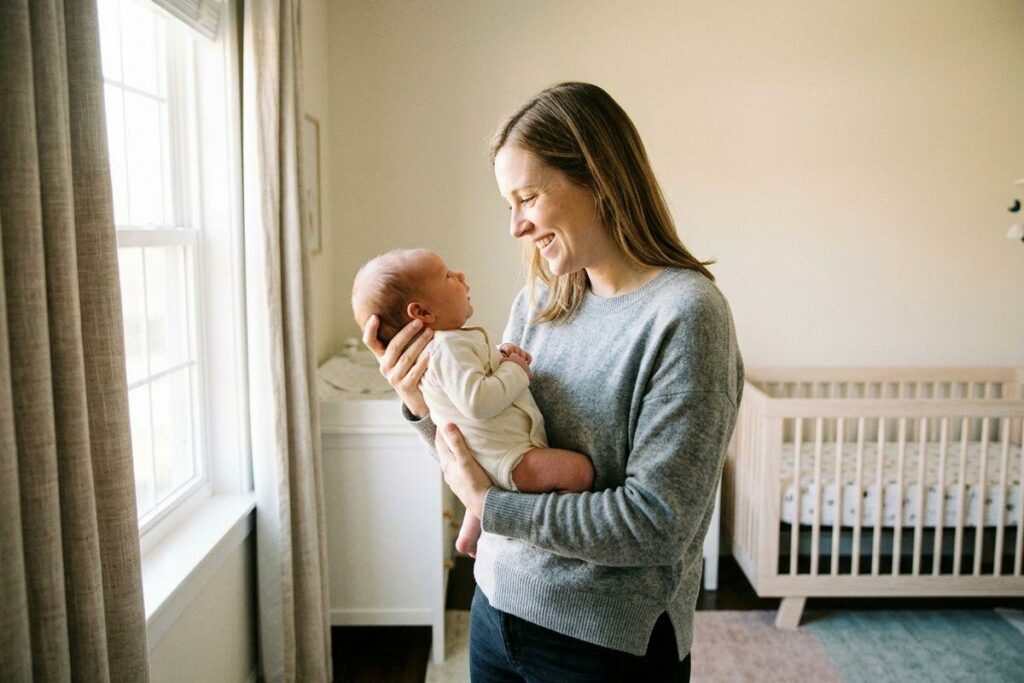
Your new baby enters the world with blurry vision. They see best when objects are about 8–10 inches away. This distance closely matches a familiar face holding them.
They spend these early months learning to focus their eyes on your face. Hand and eye coordination starts to develop as they bat at nearby objects.
You might notice them start to follow moving objects with both eyes by the end of their fourth month.
Simple Ways To Help
You can support early visual development with a few simple room adjustments.
- Keep toys 8–12 inches away from their face.
- Use a dim lamp in the nursery to create gentle lighting.
- Talk to your baby from different sides of the crib.
Coordination & Color from 5–8 Months
Your baby starts to see the world differently by five months old.
Their eyes learn to work together to form a three-dimensional view of the world around them. Depth perception develops so they can tell how far away a toy sits on the floor. Their color vision continues to mature during this stage.
You can watch them reach for objects both near and far with better accuracy.
Fun Activities To Try
Playtime becomes more interactive during this stage.
- Give your baby soft blocks or age-appropriate toys to hold and explore.
- Hang a colorful mobile over the crib for them to watch.
- Play games like patty cake to improve hand coordination.
Movement & Distance from 9–12 Months
Babies become very active as they approach their first birthday. They pull up to a stand and might even try to take their first steps.
This physical movement relies heavily on their changing vision. They use their eyes to judge distances before reaching out to grasp items or holding onto furniture.
Their visual coordination helps them safely explore their surroundings as they learn to walk.
Encourage Visual Growth
You have many simple ways to keep their visual interest high.
- Play simple hide-and-seek games with favorite toys.
- Name objects out loud to build vocabulary alongside sight.
- Promote floor play to help them coordinate body and eye movements.
Toddler Focus from 1–2 Years
Your active toddler uses their sight to learn about the world in complex ways. They can recognize pictures in a favorite book and point to familiar characters.
Fine motor skills improve as they start to scribble with crayons on paper. They can track fast-moving objects like a rolling ball with ease.
Their eyes guide their busy hands through new tasks every single day.
Playtime Ideas
Toddlers love activities that challenge their physical and visual skills.
- Roll a ball back and forth across the room.
- Read stories together and ask them to point at pictures.
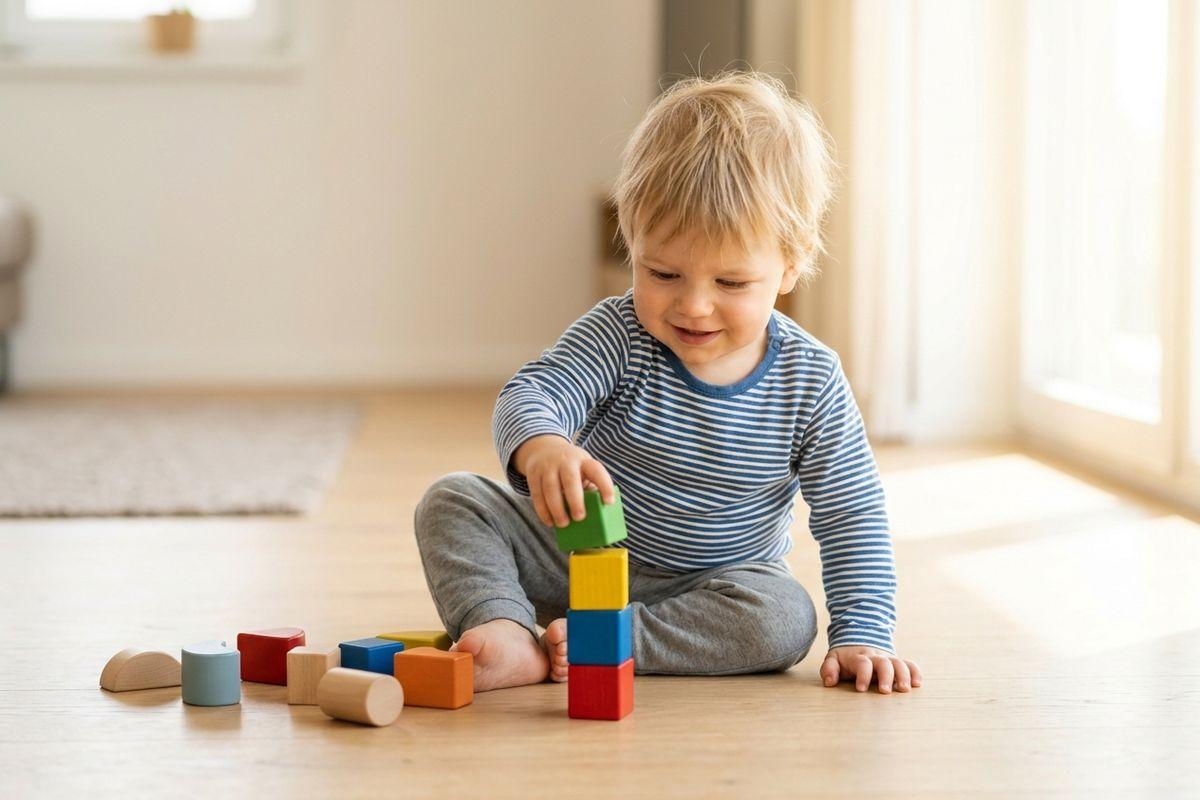
- Give them different shaped blocks to sort and stack.
When to Visit an Eye Doctor in Riverside
Many parents wait until school age for a routine vision check. However, an earlier visit helps set up your child for healthy visual development.
Book an eye exam when your child is 3–5 years older. This is important for detecting any visual concerns early. Once your child is school age, yearly eye exams help monitor ongoing vision development.
You should also reach out to an eye doctor in Riverside right away if you notice their eyes turning inward or outward constantly.
Signs Of Vision Problems
Young children mostly express themselves through actions rather than words. You can watch for physical signs of visual struggle at home.
- Look out for red or encrusted eyelids.
- Note any noticeable sensitivity to light.
- Watch for a white or cloudy appearance in the pupil, which should be evaluated promptly.
Every phase of childhood brings exciting new changes. Total Vision Riverside offers comprehensive care to support your family from those first smiles through graduation.
Call the office today to schedule an exam and support your child’s visual future.