
Key Takeaways
- Degenerative myopia changes the physical shape of your eye over time.
- Routine checkups can help catch structural vision changes early on.
- Glasses and contact lenses can help improve vision for people with severe nearsightedness.
- Healthy habits like screen breaks can help with comfort and may support long-term visual health.
If you have nearsightedness, it means that you have trouble seeing objects that are in the distance. Over time, you may notice that your vision seems to be getting worse, even when wearing your glasses, and you may wonder what could be causing this. At Total Vision Riverside, we want to help you understand the different types of myopia, who is at risk, and what you can do about it.
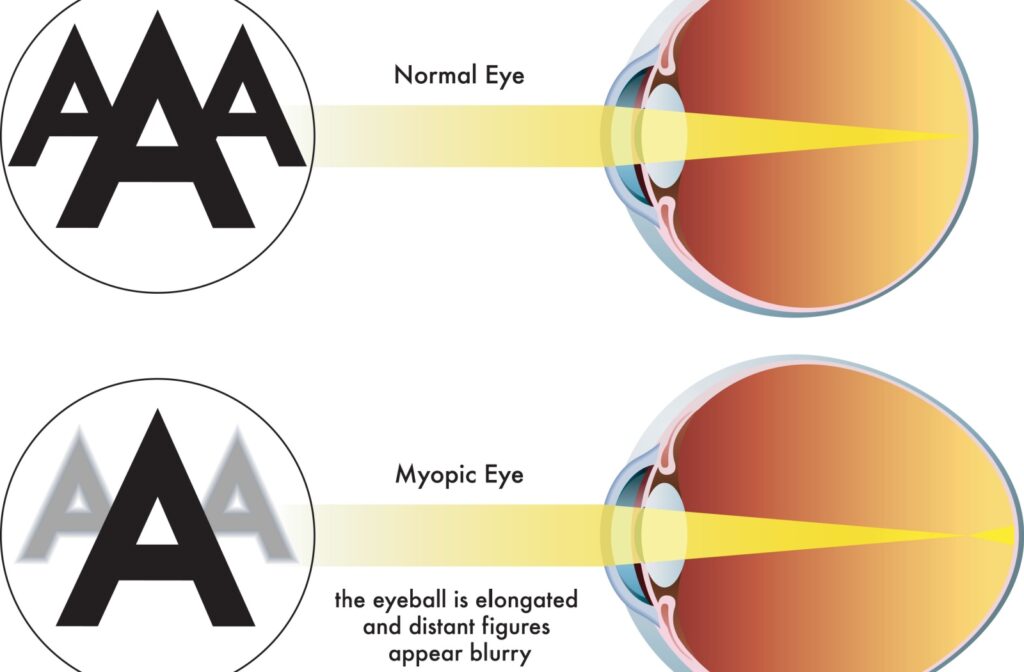
Degenerative myopia is a severe form of nearsightedness in which the eyeball progressively elongates, potentially damaging and stretching the tissues inside.
An Overview of Degenerative Myopia
Differences from Standard Nearsightedness
Standard nearsightedness often develops in children and usually stabilizes once you reach adulthood. Degenerative myopia, on the other hand, involves more severe structural changes to the eye shape over time that can damage the tissues inside the eye.
People with high myopia (severe nearsightedness) are at greater risk of developing degenerative changes in the eye as they age.
Common Risk Factors
A family history of severe nearsightedness, high myopia, and rapid eye growth during childhood can increase your risk of developing this condition. But there are environmental factors to watch for, too, such as a job that requires a lot of close-up work.
Common Signs and Symptoms
Because degenerative myopia can damage the structures inside the eye, the symptoms can go beyond just blurry distance vision. This is part of why comprehensive eye exams are so important: They can help detect structural changes inside the eye associated with common eye conditions so that you can begin to receive treatment.
Changes in Your Daily Vision
Noticing these signs can be your eye’s way of telling you they need professional support. Potential symptoms can include:
- Loss of clear central vision
- Straight lines look wavy or distorted
- Trouble seeing in low light conditions
- Sudden appearance of dark floaters
- Flashes of light in your peripheral (side) vision
- Gray spots in your field of view
These symptoms are associated with a few common eye conditions, so paying attention to your body and seeking professional care is key for protecting your long-term vision.
The Severity and Potential Complications
The continuous growth of the eyeball stretches the delicate tissues inside. These internal shifts can increase the risk of long-term problems for your overall vision health, making proactive diagnosis and management important.
Impact on Eye Structures
This ongoing stretching can lead to thinning of the retina and increase the risk of other eye conditions, including retinal problems and glaucoma. Both of these are issues to take seriously, as they can impact your ability to see if left untreated.
Long-Term Vision Risks
These structural changes present significant risks for your future vision. The stretching associated with high myopia can increase the risk of retinal detachment, which can cause vision loss if not managed properly. High myopia can also increase your risk of developing cataracts early, which can make the whole world look as though you’re seeing through a blurry window.
Professional care may help you preserve your visual clarity so you can continue doing all the things you love.
Available Options for Management and Care
There are some practical solutions to help you see clearly and manage degenerative myopia. Every case is different, which is why our team considers your job, hobbies, and lifestyle preferences to provide you with solutions tailored to your unique eyes.
Corrective Lenses and Devices
For some people, a strong prescription can help provide them with the visual clarity they need to see day-to-day. This could include glasses, specialized contact lenses, or artificial lenses to replace your natural ones if cataracts are an issue for you.
These options are designed to make it easier to navigate your daily environment.
Therapies and Clinical Procedures
Depending on your specific situation, treatments may include medications or specialized retinal procedures. An eye doctor in Riverside can evaluate your specific needs, determine what may be right for you, and help manage your symptoms with a tailored care plan.
The Value of Preventive Eye Care
Your daily routines play a role in your visual health. There are some small habits worth considering to help support your comfort and your eyes’ health over time.
Proactive Habits For Your Eyes
It’s a good idea to take regular screen breaks to help reduce daily eye fatigue. Outdoor sunlight seems to be correlated with healthy eye development, so it’s often recommended to spend 1–2 hours outside each day.
It’s also important to remember to wear sunglasses outdoors, even on cloudy days, to protect your eyes against ultraviolet rays. These simple steps keep your eyes feeling comfortable and support your long-term vision.
The Need for Regular Eye Exams
Routine visits are important for helping the eye doctor catch structural changes, sometimes before you begin to notice blurriness. Our team can monitor many factors of your eye health, including internal pressure, your retina, and the cloudiness of your eye’s lens.
Many treatments for eye disease are more effective when started in early stages, making eye exams for early detection key for your overall eye health.
Schedule Your Next Eye Exam
Consistent visits to the eye doctor can help you maintain clear, comfortable vision for years to come. Whether you’re experiencing a change in prescription or it’s just time for your next routine visit, we encourage you to book your next eye exam today.